
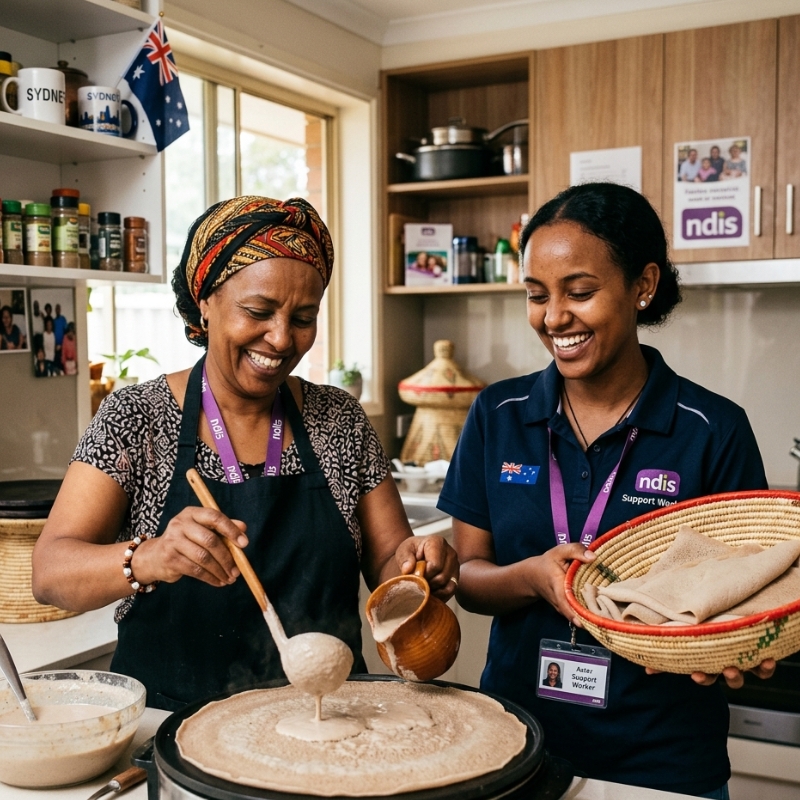
When everyday tasks already take extra energy because of a disability, cultural misunderstandings can quietly add another layer of stress. Simple routines—preparing traditional meals, praying at set times, joining weekend church life, or greeting elders in a familiar way—can feel awkward if a support worker does not “get” why they matter. That is why many Sydney participants and families now look for culturally matched workers who share language, customs, or lived African-Australian experience. The right match can turn basic assistance into genuine connection, boost confidence, and help goals in an NDIS plan come to life.
If you are exploring African NDIS support workers in Sydney for yourself or a loved one, this guide explains how cultural alignment influences daily outcomes—and how to find a good fit without breaching NDIS rules.
What Does “Culturally Matched” Mean in an NDIS Context?
A culturally matched worker is someone who speaks a participant’s first language or understands their community norms, faith practices, and family roles. Under the NDIS:
- Language can include English plus Swahili, Amharic, Arabic, Yoruba, Somali, Tigrinya, or other African languages.
- Cultural familiarity might cover diet (e.g. halaal or fasting periods), greetings, views on disability, gender dynamics in personal care, or shared humour.
- The focus remains on person-centred care, not assumptions. Matching is about comfort and choice, not stereotyping.
NDIS providers may keep a roster of bilingual or culturally skilled workers so participants can express preferences during intake or review meetings.
Why Australian Guidelines Encourage Cultural Safety
The NDIS Quality and Safeguards Commission and mainstream services emphasise cultural safety because effective support relies on trust. Without shared understanding, instructions can be misheard, goals misunderstood, and community participation limited. The Commission also cites improved plan adherence when CALD participants feel respected.
Everyday Benefits of Working With a Culturally Matched Support Worker
Below is a snapshot of how the right match can influence daily life for African-Australian participants in Sydney.
| Daily Task | Problem with Non-Match |
Perk of Cultural Match
|
| Cooking | Doesn’t know teff or injera |
Knows markets in Auburn and Blacktown
|
| Personal care | Misses modesty norms |
Understands gender preferences
|
| Community access | Unaware of accessible places |
Knows about local churches and events
|
| Health appointments | Struggles with terms |
Explains clearly in Amharic
|
| Goal-setting sessions | Excludes family |
Includes family for decisions
|
Small frictions disappear, letting the participant focus on goals—be it independent travel training, physiotherapy, or social outings.
Practical Ways Cultural Alignment Improves Specific NDIS Outcomes
1. Communication and Consent
Clear communication ensures informed consent, safe medication support, and accurate progress notes. Bilingual workers can:
- Translate health advice in real time.
- Spot when a participant nods out of politeness but still looks confused.
- Use cultural analogies to explain exercise plans, boosting engagement.
2. Nutrition and Health
Traditional African diets are rich in fibre and plant protein but can become imbalanced if ingredients are swapped for processed alternatives. Support workers who cook jollof rice or millet porridge correctly:
- Maintain familiar flavours, reducing unhealthy snacking.
- Meet cultural or religious food rules (e.g. halaal, Lent fasting).
- Align meals with dietitian advice without feeling “on a diet”.
3. Social and Mental Wellbeing
Isolation can heighten when language barriers exist. Matched workers:
- Introduce participants to diaspora dance groups or soccer clubs.
- Arrange transport to Sunday services or Eid gatherings.
- Encourage storytelling in the first language, supporting cognitive health.
4. Skill-Building and Independence
Learning functional English is valuable, but practising life skills first in a strong language can speed progress. For example, a participant may master budgeting apps faster when initial instructions are in Tigrinya, then gradually switch to English captions.
How to Request a Culturally Matched Worker During Plan Reviews
NDIS rules allow choice and control, but you still need to frame the request clearly. Here is a simple step-by-step approach:
- Gather evidence—note past miscommunications or reduced participation due to language barriers.
- Link to goals—explain how a matched worker will help achieve daily living or community access targets.
- Use the right terminology—“CALD support”, “cultural safety”, “linguistic accessibility”.
- Discuss at the planning meeting—mention any culturally significant dates or practices.
- Request provider options—ask your LAC or Support Coordinator for agencies with bilingual staff.
If you are still writing goals, this related guide on choosing the right NDIS supports based on daily living goals breaks down how to word requests in plain language.
Safety, Privacy and Compliance Considerations
While cultural alignment offers clear benefits, ensure:
- Worker screening and qualifications remain the first filter—police checks, NDIS Worker Screening, and relevant certificates.
- Boundaries are set so familiarity does not blur professional roles; the care relationship must stay compliant.
- Confidentiality is paramount. Family-style closeness must still respect privacy laws.
- Backup plans are in place. If a preferred worker is on leave, have a basic communication board or interpreter service to avoid support gaps.
For official guidance on CALD best practice, review the NDIS guidance for CALD participants.
Common Misconceptions to Avoid
- “Any African worker will do.”
Africa is a continent of 50+ nations; languages and customs vary widely. Clarify dialect and cultural specifics. - “Cultural matching replaces skill matching.”
A support worker still needs relevant training—manual handling, epilepsy management, mental-health first aid, etc. - “It costs extra under the NDIS.”
The hourly price is tied to support type, not worker background. The main challenge is availability, not funding. - “Family members are always the best choice.”
Family can register as paid carers in limited scenarios, but this may hinder independence goals. A professional outsider often offers objectivity.
Questions to Help You Assess Cultural Fit (Without Turning It Into a Job Interview)
| Question | What You’re Looking For |
Red Flag Response
|
| “Which languages do you speak?” | Fluency and experience |
“I learned it once in school.”
|
| “Ever helped with halal cooking?” | Real-life example | “I’ll Google it.” |
| “How would you include family?” | Balance inclusion and privacy |
“I’d tell everything.”
|
| “Support prayers on specific days?” | Flexibility and respect |
“I avoid religion.”
|
Discuss these in a relaxed chat to gauge authenticity rather than rehearsed answers.
Where to Find Culturally Matched Support Workers in Sydney
- Specialist NDIS providers like Abundance Healthcare Group keep databases of bilingual staff across Western Sydney, Inner West, and the South West corridor.
- Community organisations such as the African Women’s Group NSW or local Eritrean associations often cross-refer to accredited providers.
- Faith communities may know members already employed in disability services.
- Online NDIS worker platforms allow you to filter by language or cultural background, but always verify screening results.
Signs Your Current Match May Not Be Working
- Participant withdraws from favourite activities or therapy sessions.
- Increased agitation during personal care.
- Frequent misunderstandings in daily logs.
- Family mediates minor instructions due to language gaps.
Address concerns early; sometimes refresher training is enough, other times a new match is healthier.
Frequently Asked Questions
1. Can I specify gender and cultural background for personal care supports?
Yes, the NDIS upholds dignity and choice. You may request a female Yoruba-speaking worker for shower assistance, provided the provider can roster one. Document the need in your plan justification to avoid delays.
2. Is there a limit on how many languages a support worker can use while on shift?
No. If a worker speaks Amharic to the participant and English to clinicians, that is considered good practice as long as all notes are recorded in English for auditing.
3. What if my preferred language is rare—will the NDIS fund an interpreter?
Interpreting costs are generally covered under Capacity Building-Support Coordination or Core-Assistance with Social & Community Participation when linked to plan goals. Check with your planner; availability varies.
4. Does cultural matching apply to therapy services like OT or speech pathology?
Absolutely. Allied-health professionals who share language or cultural insight can make assessments more accurate. You can request this preference when shopping providers.
5. How quickly can I switch workers if the match feels wrong?
Under NDIS Service Agreements, you usually need to give written notice—often 7–14 days—but urgent health or safety issues justify faster changes. Speak to your Support Coordinator immediately.
Final Thoughts
Cultural familiarity is not a luxury extra—it is often the bridge between simply receiving support and truly thriving under an NDIS plan. Whether it is greeting Mum in Swahili each morning, respecting fasting days, or navigating Sydney’s African food stores, a matched support worker can weave cultural identity into everyday routines that build skills and confidence. If your current services fall short, consider raising cultural alignment at your next plan review or speaking with a provider that values diversity in its workforce. Feeling seen, heard, and understood can make all the difference on the road to greater independence.

