


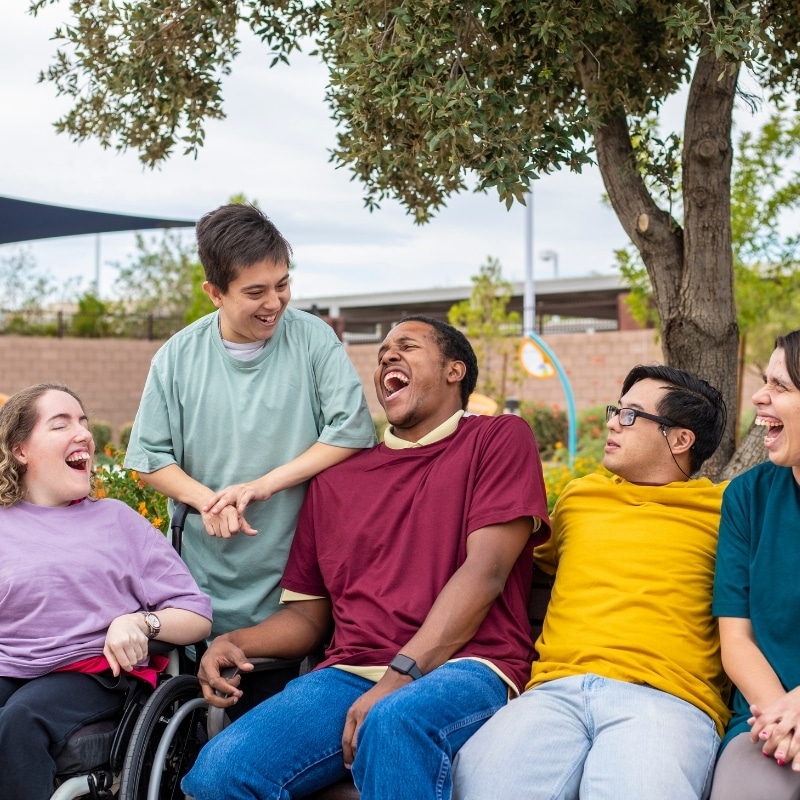
Building a circle of support for a loved one with a disability can be one of the most meaningful steps you take toward their long-term wellbeing, independence, and sense of belonging. For many Australian families navigating the NDIS, the idea sounds simple in theory, but feels overwhelming in practice. Who should be involved? Where do you start? How does this fit with funded supports?
This guide breaks it all down in a clear, practical way. It’s designed for families, carers, and supporters in Sydney and Perth who want to move beyond ad-hoc help and create a strong, reliable network around someone they care about.
What Is a Circle of Support?
A circle of support is a group of people who come together to support a person with a disability to live a meaningful, connected, and self-directed life. Unlike formal services alone, a circle of support centres the person, their goals, and their relationships.
A circle of support may include:
• Family members
• Friends
• Neighbours
• Community members
• Mentors or peers
• Paid support where appropriate
The key difference is that a circle of support is built on relationships and shared commitment, not just service delivery.
Why a Circle of Support Matters for People with Disability
Many people with disabilities experience social isolation, especially during life transitions or when supports change. A well-built circle of support helps reduce this risk and creates continuity beyond funded services.
A strong circle of support can:
• Improve confidence and self-esteem
• Encourage social and community participation
• Support decision-making and goal setting
• Reduce reliance on a single carer or service
• Strengthen long-term stability and safety
Under the NDIS, informal supports like family, friends, and community connections are recognised as a vital foundation alongside funded supports.
How a Circle of Support Fits Within the NDIS
The NDIS places strong emphasis on community inclusion and informal supports. While a circle of support itself is not directly funded, it works hand-in-hand with funded supports such as capacity building and community access.
NDIS-funded supports can help participants:
• Build social skills
• Access community activities
• Develop confidence and independence
• Strengthen informal support networks
Services like NDIS social and community participation support are often the practical bridge that helps a circle of support function effectively in everyday life.
Step-by-Step Guide to Building a Circle of Support
Step 1 – Put the Person at the Centre
The most important rule is that the circle exists for the person, not around them. Their voice, preferences, and goals must guide every decision.
Start by exploring:
• What makes them feel safe and valued
• What activities they enjoy
• What goals do they have for their future
• Who they already trust
Where communication is complex, take time, use visual tools, or involve trusted advocates to ensure their wishes are respected.
Step 2 – Map Existing Relationships
Before adding new people, look at who is already part of the person’s life.
Ask:
• Who do they see regularly?
• Who do they enjoy spending time with?
• Who understands them well?
• Who has shown long-term commitment?
These existing relationships often form the strongest foundation of a circle of support.
Step 3 – Invite the Right People
A circle of support doesn’t need to be large. It needs to be reliable and respectful.
Potential members may include:
• Close family members
• Long-term friends
• Supportive neighbours
• Community group leaders
• Work or study mentors
When inviting people, be clear about:
• Why they are being invited
• What is the purpose of the circle is
• What level of involvement is expected
Not everyone needs to do everything. Different people can contribute in different ways.
Step 4 – Define Roles and Boundaries
Clarity prevents burnout and misunderstandings.
Roles might include:
• Social connection and companionship
• Transport or activity support
• Advocacy and decision support
• Skill-building encouragement
Boundaries are just as important. Respect everyone’s capacity, time, and limits to ensure the circle remains sustainable.
Step 5 – Connect the Circle to Community Participation
A circle of support is strongest when it’s active in the community, not just meeting to talk.
This might involve:
• Attending local events in Sydney or Perth
• Joining interest-based groups
• Volunteering or recreational activities
• Building routines that support independence
Structured supports, such as innovative community participation programs for NDIS participants, can help transform good intentions into real-world engagement and skill development.
Step 6 – Support the Supporters
Circles of support work best when everyone feels valued and supported themselves.
Practical ways to do this include:
• Regular check-ins
• Celebrating small wins
• Sharing responsibilities
• Accessing professional guidance when needed
For individuals with higher or more complex needs, understanding how NDIS providers support people with complex needs can help families integrate professional expertise without losing the personal nature of the circle.
Common Challenges and How to Overcome Them
Limited Time or Availability
Not everyone can contribute equally. Focus on consistency over quantity and accept small, meaningful contributions.
Fear of “Asking Too Much”
Many people want to help but don’t know how. Clear communication often removes this barrier.
Changes in Circumstances
Circles evolve. People move, life changes, and needs shift. Review and adapt the circle regularly to keep it relevant.
Circles of Support in Sydney and Perth – Local Considerations
In major cities like Sydney and Perth, opportunities for community participation are vast, but navigating them can be complex.
Local considerations include:
• Access to inclusive community programs
• Transport and accessibility
• Cultural and language diversity
• Availability of NDIS-registered supports
Combining local knowledge with structured NDIS supports helps circles of support thrive in urban environments.
Frequently Asked Questions
Is it a circle of support funded by the NDIS?
A circle of support itself is not funded, but NDIS supports can help build the skills, confidence, and community access that make a circle effective.
Who should be in a circle of support?
Anyone the person trusts and values, including family, friends, community members, and appropriate paid supports.
How many people should be in a circle of support?
There is no set number. Quality, trust, and commitment matter more than size.
Can paid support workers be part of a circle of support?
Yes, but the circle should not rely solely on paid support. Informal relationships are essential for long-term stability.
For authoritative guidance on informal supports and participant-centred planning, the NDIS official guidance on informal supports and community participation provides helpful context.
Final Thoughts – Building Connection That Lasts
A circle of support is not a one-off project. It’s a living network that grows, adapts, and strengthens over time. When built with care, respect, and the right mix of informal and funded supports, it can transform not only the life of a person with disability, but also the lives of everyone involved.
For families in Sydney and Perth, combining genuine relationships with the right NDIS supports creates a powerful foundation for inclusion, confidence, and independence.