


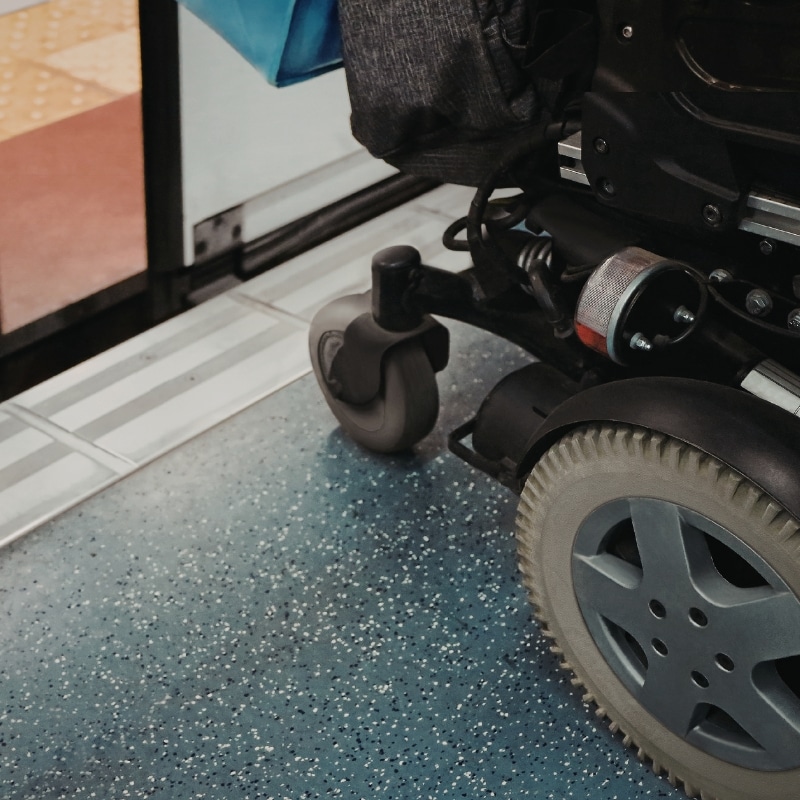
Getting around Sydney in a wheelchair can be unpredictable. Even with accessibility improvements across public transport and private services, many wheelchair users still face daily barriers that make travel stressful, time-consuming, or unsafe.
From broken station lifts to unreliable pick-ups, small issues can quickly turn into missed appointments, social isolation, or unnecessary fatigue. Understanding the most common transport problems — and how to plan around them — can make everyday travel more manageable and safer.
This guide breaks down the real-world transportation challenges wheelchair users face in Sydney and offers practical, experience-based ways to reduce their impact, including where NDIS-related transport options may fit into the picture.
The reality of wheelchair transport in Sydney
Sydney is a large, fast-moving city with a transport network that wasn’t originally designed with universal access in mind. While accessibility has improved, many systems still rely on infrastructure, staffing, and timing working perfectly — which isn’t always realistic.
Wheelchair users often need to plan trips differently than ambulant travellers, factoring in:
• Step-free access
• Reliable boarding assistance
• Safe vehicle securement
• Buffer time for delays
• Backup options if plans fall through
When one piece fails, the entire trip can unravel.
Problem 1: Lift outages at train stations
One of the most common issues wheelchair users face is arriving at a station only to find the lift out of service. This can instantly block access to platforms or exits.
Why does this cause major disruption?
- Many stations have only one accessible path
- Detours may require travelling several stations further
- Replacement transport isn’t always immediate
- Staff availability varies by time and location
Ways to reduce the impact
- Check lift status before leaving using official NSW transport tools
- Build buffer time into trips involving station transfers
- Identify alternative accessible stations near your destination
- Travel outside peak hours when possible
When to consider extra support
If lift outages regularly prevent you from travelling independently, supported options such as assisted transport for wheelchair users may provide more consistency for essential outings.
Problem 2: Gaps between platforms and vehicles
Even when a station is technically accessible, the physical gap between the platform and the train can pose a serious safety risk.
Common risks
- Wheels catching in platform gaps
- Steep boarding angles
- Inconsistent staff assistance
- Rushed boarding during peak times
Practical strategies
- Request boarding assistance when arriving at the platform
- Position yourself where staff can see you clearly
- Avoid peak-hour travel where possible
- Use stations known for level boarding on your route
Problem 3: Unreliable pick-ups and drop-offs
Wheelchair users often rely on scheduled transport for appointments, work, or social activities. When vehicles arrive late — or not at all — it can have serious consequences.
Typical issues
- Vehicles arriving without proper restraints
- Drivers unfamiliar with wheelchair securement
- Unsafe drop-off points with no kerb ramps
- Last-minute cancellations
How to reduce pick-up risks
- Confirm pick-up details in writing where possible
- Clearly communicate wheelchair size and requirements
- Allow buffer time before important appointments
- Identify safe, level drop-off locations in advance
If these issues happen frequently, learning more about learn more about NDIS travel and transport support can help clarify what options may be available to support reliable travel for eligible participants.
Problem 4: Public transport crowding
Sydney’s peak-hour congestion can turn an otherwise accessible trip into an overwhelming experience.
Why crowds are challenging
- Limited space for wheelchair positioning
- Increased risk of accidental bumps or tipping
- Pressure to board or exit quickly
- Reduced access to assistance
Practical tips
- Travel outside peak times when possible
- Choose carriages marked for mobility access
- Allow extra time for boarding and exiting
- Use quieter stations for transfers
Problem 5: Venue access surprises
Even if transport runs smoothly, the destination itself can become a barrier.
Common access problems
- Steep entry ramps
- Narrow doorways
- Blocked accessible entrances
- No accessible toilets
How to plan ahead
- Call venues in advance to confirm access
- Ask specific questions about ramps and door widths
- Identify nearby accessible alternatives
- Factor in extra time for entry
Problem 6: Weather and environmental conditions
Sydney’s weather can quickly change travel conditions for wheelchair users.
Environmental challenges
- Rain making ramps slippery
- Heat affecting battery-powered mobility aids
- Uneven footpaths after storms
- Glare-reducing visibility
Ways to prepare
- Check weather forecasts before travel
- Carry rain covers or sun protection
- Allow extra time in wet conditions
- Monitor battery levels closely
Problem 7: Communication breakdowns
Miscommunication is a frequent cause of transport problems.
Examples
- Drivers unaware of wheelchair needs
- Incomplete booking details
- Assumptions about mobility level
- Lack of clear pickup instructions
Reducing communication issues
- Use clear, simple descriptions of requirements
- Confirm details before the day of travel
- Carry written instructions if helpful
- Speak up early if something feels unsafe
Where NDIS transport support may help
For some wheelchair users, transport barriers make independent travel unrealistic or unsafe for certain activities.
NDIS transport funding is designed to support participants who cannot reasonably use public transport due to disability. It may help with costs related to community access, work, education, or essential activities, depending on individual plans.
In situations where reliability and safety are ongoing concerns, structured NDIS travel and transport support in Sydney may play a role in supporting essential travel needs alongside other strategies.
General information about what NDIS transport funding can and cannot cover is available from the official NDIS website, which explains eligibility and funding levels in plain language via the National Disability Insurance Scheme’s transport funding guidance.
When to reassess your transport setup
It may be time to review your transport arrangements if:
• You regularly miss appointments due to transport issues
• Safety incidents or near-misses keep occurring
• Anxiety around travel is increasing
• Physical fatigue from travel is affecting daily life
Practical wheelchair travel checklist
Before heading out, consider running through this quick checklist:
• Is step-free access confirmed at both ends?
• Are lifts operational on the route today?
• Is the pick-up/drop-off location safe and level?
• Do you have extra time built in?
• Is the weather likely to affect conditions?
Common questions wheelchair users ask about transport in Sydney
Why is transport harder in a wheelchair?
Because it relies on multiple systems working together — infrastructure, vehicles, staff, and timing. A single failure can block access.
Are Sydney buses wheelchair accessible?
Most are, but accessibility depends on ramp function, driver training, and crowding at the time of travel.
What if the station lift is broken?
You may need to reroute to an accessible station, wait for assistance, or use alternative transport options.
Can NDIS help if I can’t use public transport?
In some cases, yes. Eligibility depends on your individual plan, goals, and functional capacity.
Final thoughts
Transportation problems for wheelchair users in Sydney are rarely caused by one issue alone. They’re usually the result of small failures stacking up — a lift outage here, a late pick-up there, a venue that wasn’t as accessible as promised.
By understanding the most common barriers and planning around them, wheelchair users and their supports can reduce stress, improve safety, and make daily travel more predictable.